I'm DharaneDharan Kaliaperumal Babu
Designing what works.
Questioning what doesn’t.
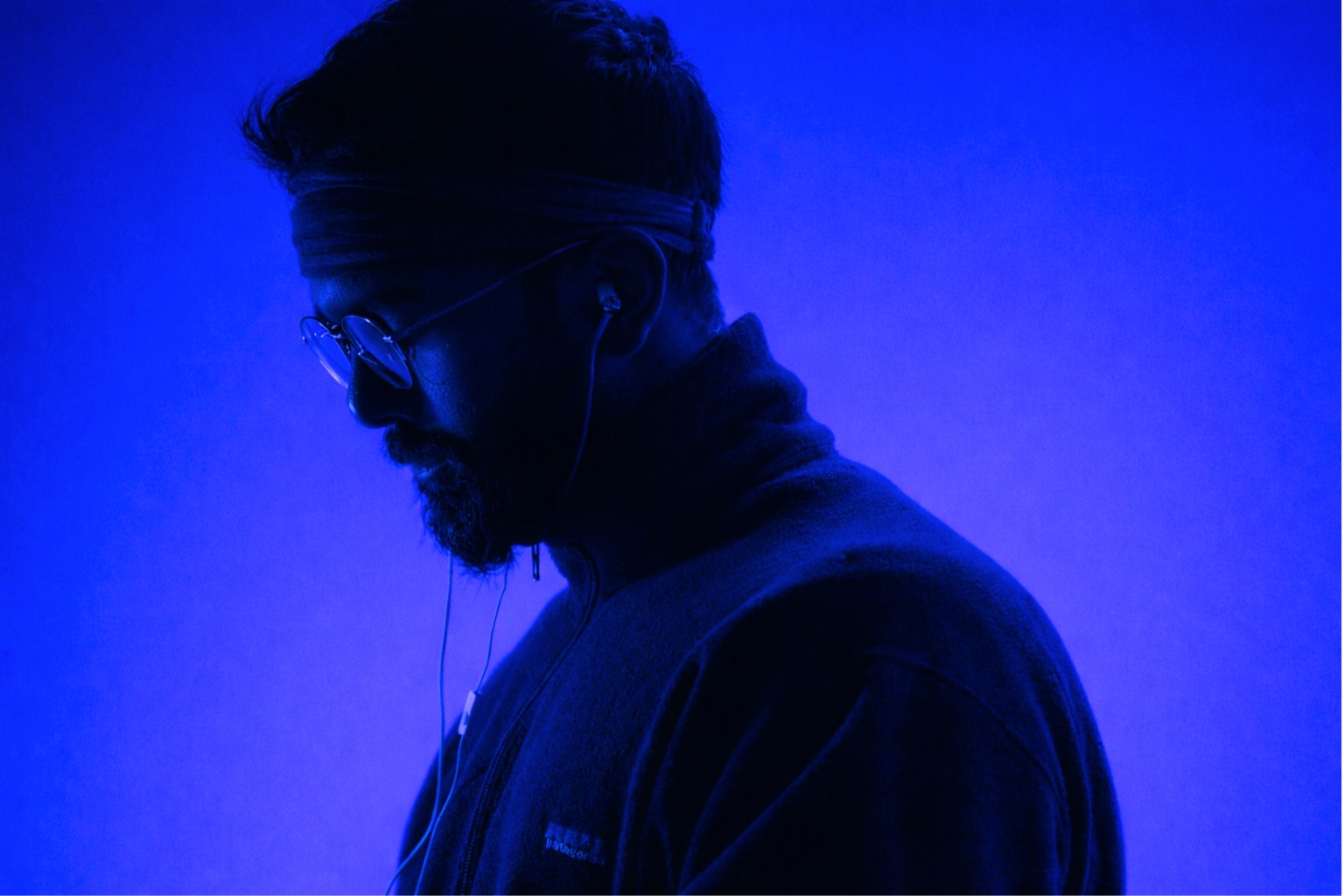
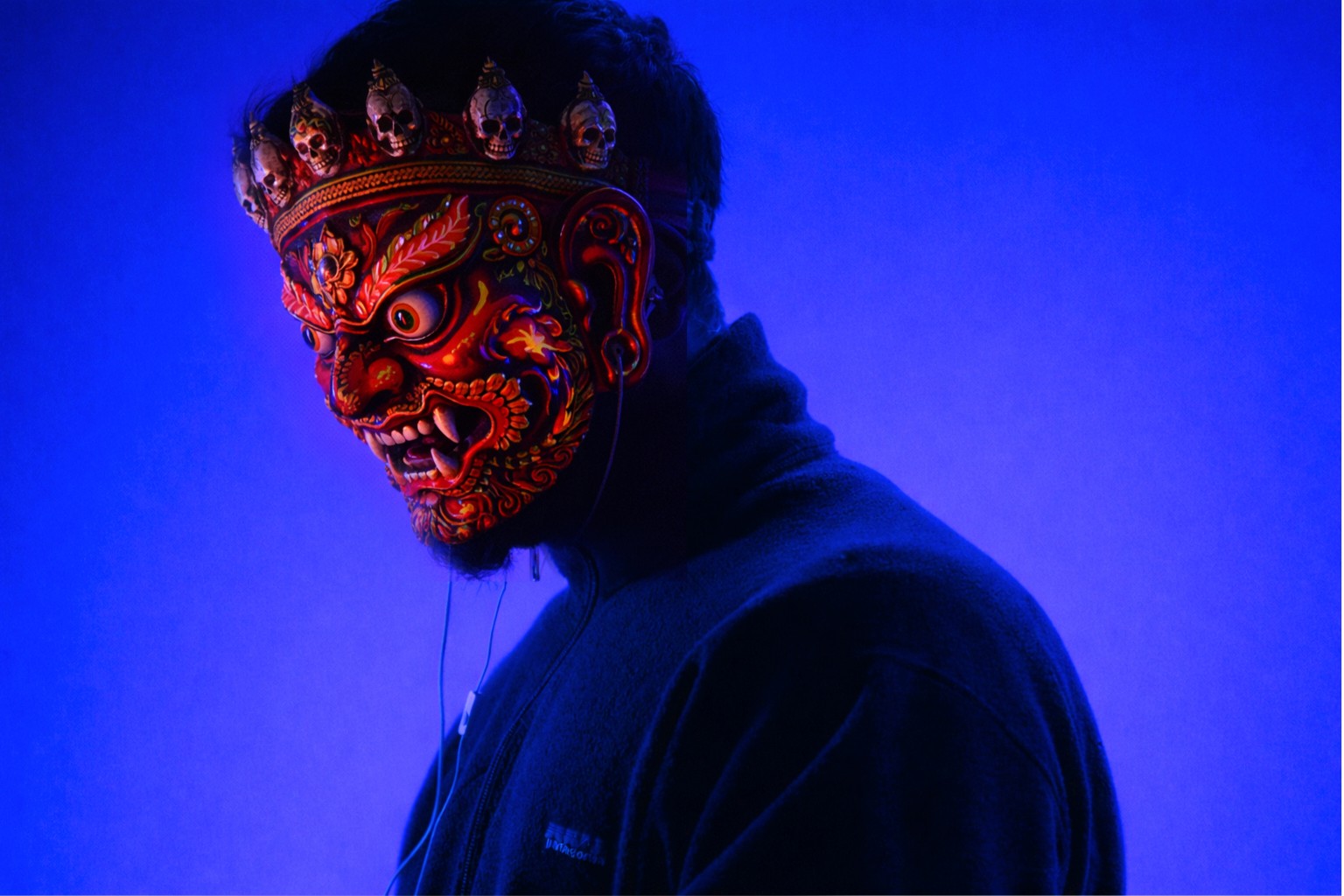
Hover on the photo below to see my split personality ↓







I approach design with the same intent I bring to filmmaking - to make things clear, meaningful
and grounded in how people actually experience them.









My controversial take on design process
Because sometimes the perfect process is the thing slowing the product down.
Find the mess
Talk to users, understand the business goal, dig through secondary data, watch how the product is actually being used, and question the assumptions everyone has already accepted. I don’t believe research is automatically good just because it’s research. If we already understand the users and the business problem is clear, I’d rather spend that time building and learning from reality. Research becomes essential when there’s genuine uncertainty — when we don’t know who we’re designing for, why something isn’t working, or what problem we’re actually solving.
Question the brief
I work with founders, PMs, engineers and users to understand what we're actually trying to achieve. Sometimes the problem isn't the interface. Sometimes the feature shouldn't exist. Sometimes the user's request isn't the user's real need. Good design isn't just solving the problem you were handed. It's making sure we're solving the right one.
Make it ugly, but make it
I sketch, prototype, throw things together and test ideas quickly. No polished pixels. No design-system theatre. Just enough to find out if the idea holds up, anything that helps us get from “what if?” to “let’s see.” The goal isn't to make something beautiful. It's to make something cheap enough to throw away. I’d rather test five bad ideas than spend two weeks polishing the wrong one.
Don’t throw it over the wall
No “here's the Figma, see you in two weeks.” I work alongside developers while they create the implementation brief — mapping the design to existing components, logic, APIs, and technical constraints. We identify what can be reused, what actually needs to change, and what needs to be built from scratch. Less reinvention. Less back-and-forth. Better implementation.
Ship the thing
Let reality have a say. Once people start using it, we finally get the information that matters. Watch what they do. Look at the numbers. Listen to what they complain about. Notice what they completely ignore.
Iterate. Then iterate again.
The first version isn't supposed to be the final version. Take what we learned, fix what's broken, simplify what's confusing, and keep moving. Startups don't have the luxury of designing everything perfectly upfront. The product evolves as our understanding evolves.